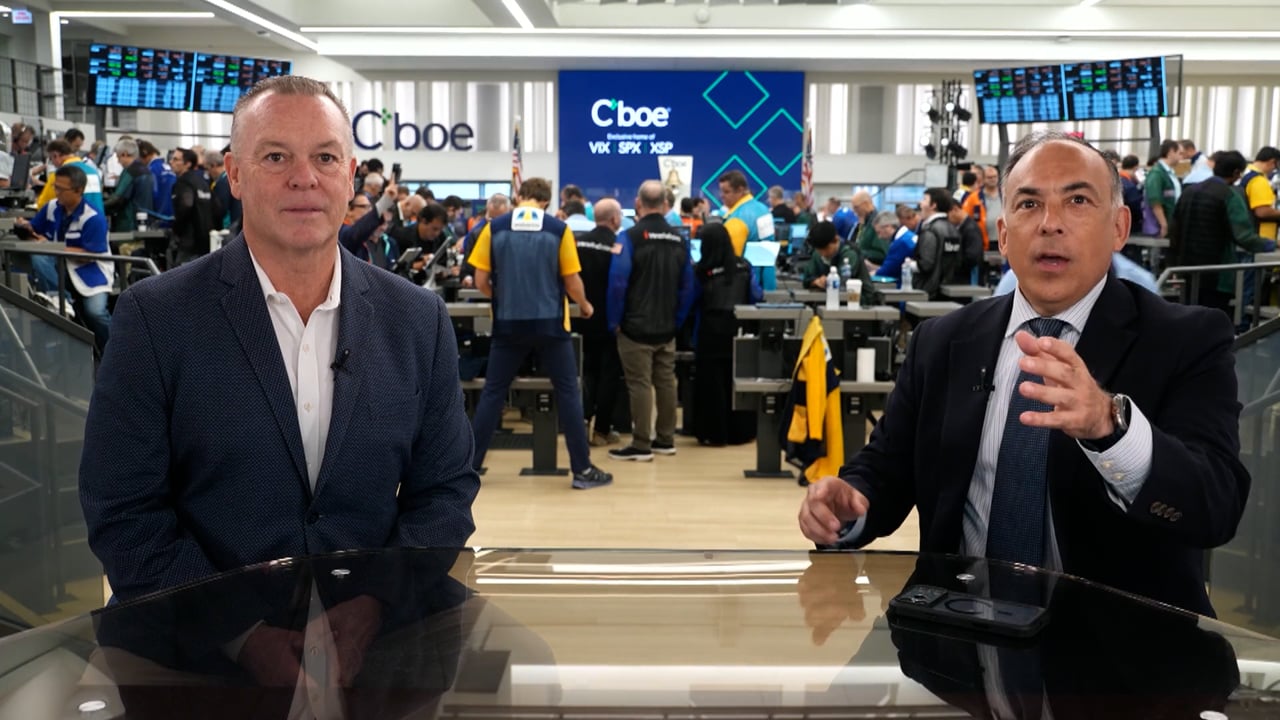
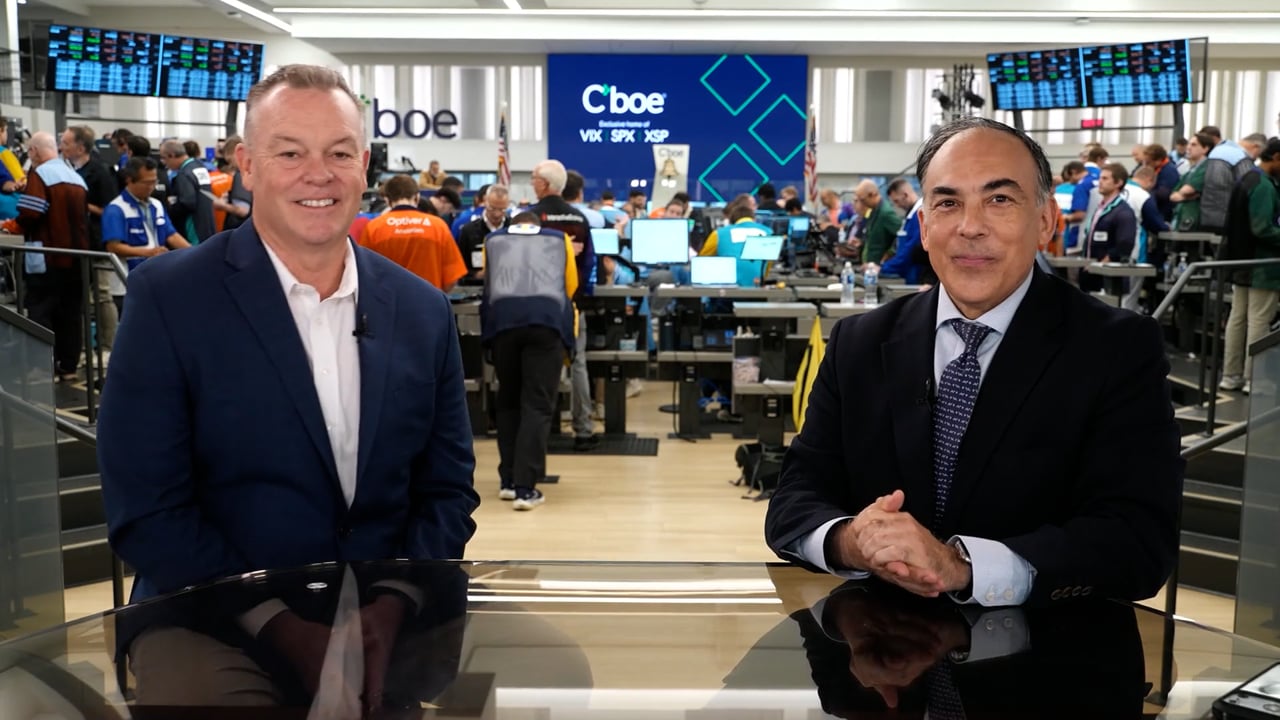
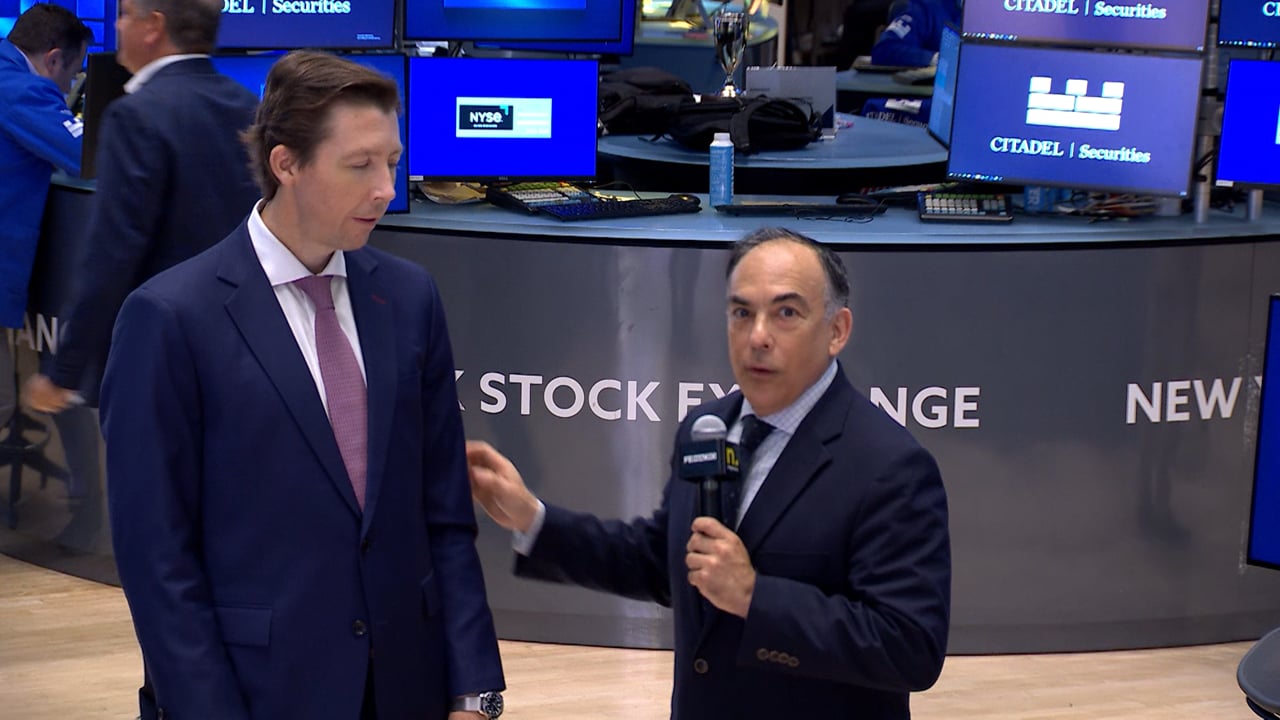
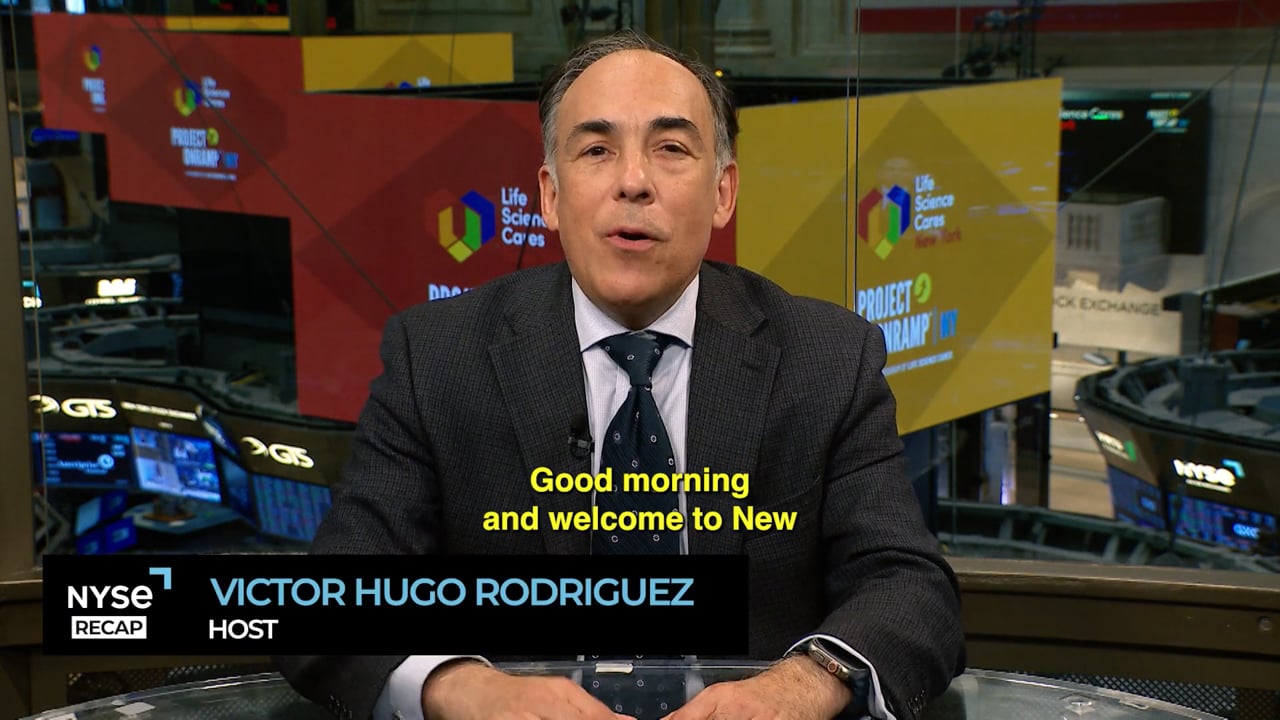
Leaders at the Bell with Cameron Hight, CEO at Alpha Theory, Jul 15, 2026
From the floor of the New York Stock Exchange, this episode of Leaders at the Bell features Cameron Hight, CEO of Alpha Theory, discussing the critical yet often overlooked discipline of portfolio sizing. Speaking against the backdrop of ongoing monetary policy developments and fresh CPI and PPI data, Hight addresses a fundamental challenge every investor faces: determining proper position sizing, managing winning positions, and deciding when to cut losses. His firm's approach centers on making explicit what most portfolio managers do implicitly in their heads—a process he argues is vulnerable to cognitive bias and inconsistent decision-making.
Hight explains that even the best stock pickers achieve only a mid-fifties batting average, essentially a coin flip, which makes position sizing critically important to overall returns. Drawing on fourteen years of data from hundreds of funds and millions of position forecasts, Alpha Theory has documented that disciplined, unemotional sizing and active rebalancing as information changes can meaningfully improve performance. The methodology involves scoring positions based on potential upside, downside risk, probabilities, and qualitative factors like management quality and competitive moats, creating a rank-ordered portfolio where higher scores translate to larger positions.
The conversation also touches on the role of emerging AI tools in investment decision-making and whether formal credentials like the CFA designation remain essential for success. Hight emphasizes that successful investing ultimately requires understanding one's own biases and applying common sense, referencing Warren Buffett's view that exceptional intelligence isn't necessary beyond a certain threshold. He advocates for the Pareto principle—capturing eighty percent of value from twenty percent of the work—to avoid analysis paralysis while maintaining disciplined frameworks.
More recent episodes.